I made a comment online that said:
“How Morocco alienated themselves from the rest of Africa during this AFCON should be studied.” In under a day it gained traction with hundreds of likes, comments and reshares. And since it clearly struck a nerve, I want to explain what I meant with care, and with honesty.
First, this is my opinion. Not a headline. Not a verdict. Not a history lesson. Just my perspective based on how I experienced this AFCON, and how many others seemed to experience it too. This piece is also primarily about this particular tournament. The atmosphere, the online conversations, the incidents that stacked up, and the emotional response those moments created. Still, I won’t pretend I came into it as a blank slate. I’m Nigerian, and I’ve had previous experiences with Moroccans, good and bad, and those experiences inevitably influence how I interpret things, even subconsciously.
I’ll also be honest about how closely I watched. I didn’t follow this AFCON as closely as I usually would. I was still tuned in, but not locked in. When Nigeria played Morocco in the semi-final, I could only watch parts of it online, later I checked the scores and saw that Nigeria lost on penalties. My first reaction was simple: that’s a shame. Nothing dramatic. Penalties are penalties, if you lose that way, it’s painful, but it’s fair. But around the same time, there was also talk online about unsportsmanlike “antics” during the match, things people believed put Nigeria at a disadvantage. One detail that kept coming up was an incident involving the goalkeeper’s towel.
Still, I didn’t dwell on it. I accepted that Nigeria wouldn’t be in the final, and I wasn’t particularly excited for the final either. I knew who was in it, but I wasn’t really rooting for anyone. Honestly, my focus shifted to one thing: I wanted Nigeria to win the bronze medal.
Then the final happened. I wasn’t watching it fully, but I was seeing updates in real time — and what stood out wasn’t the football itself, it was the controversy. The loudest update on my timeline wasn’t about brilliant play or a tactical battle. It was: Morocco have been awarded a late penalty and people think it’s unfair.
My reaction at the time was almost resigned. I thought: well… these things happen sometimes, don’t they? A home team gets a moment. A decision swings. Football has always had that element where people feel a “script” is at play.
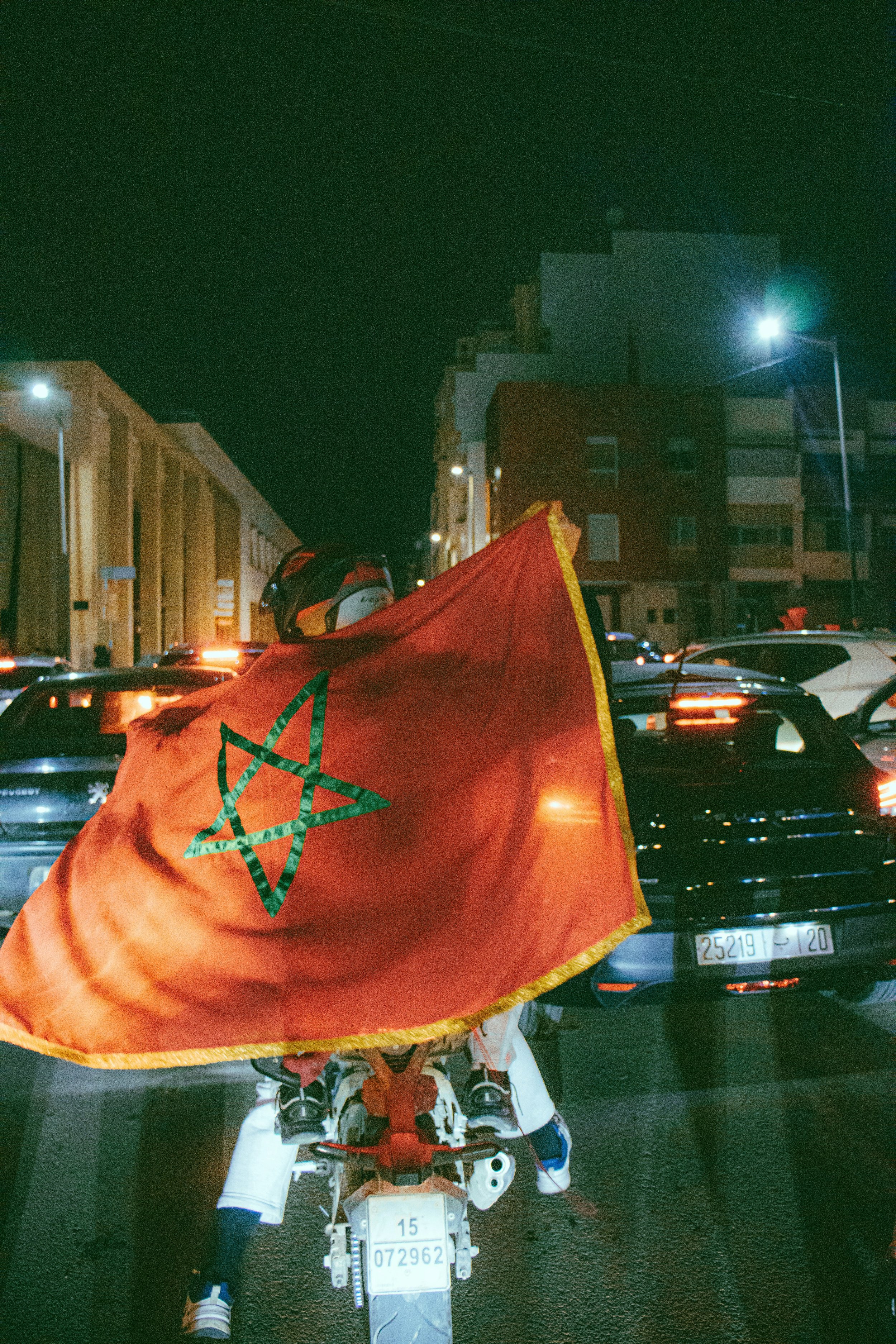
But what happened next is what really shifted everything. The next day I found out Senegal won and Morocco missed the penalty. And what surprised me most was how many people on my feed reacted with relief. Not celebration alone — relief. Someone said: “Senegal saved African football.” From there, even more details began to circulate, another towel incident with the Moroccan ball boys and players, the post-match press conference antics with Pape Thiaw the Senegalese manager, and growing feelings that the tournament was being “fixed” for Morocco to win it. That’s the moment my statement came from; and I acknowledge how strong and ultimately triggering it was.
It did not come from a long-standing desire to attack Moroccans, but from witnessing a rare kind of unity online: Africans from all over the continent appearing to agree that something felt off — and that Morocco, in that moment, had separated themselves from the rest of us.
The conversation didn’t stop at football either. In commenting, many Africans went further; they talked about how they’ve long felt that Morocco positions itself above the rest of Africa — as if it doesn’t want to be considered African at all. And interestingly, some Moroccan commenters affirmed these thoughts — openly or subtly — in the way they spoke about themselves and other Africans.
Here’s where I want to be careful. The point of this conversation isn’t to point fingers for sport. It’s not about turning Moroccans into villains or turning other Africans into victims. It’s about naming something many people feel but rarely say out loud, and asking why. Because truthfully, there may also be something uncomfortable on the other side: Maybe some of us — other Africans — also project onto countries like Morocco a superiority. Maybe when we sense a superiority complex, we attach it to things like complexion, proximity to Europe, etc.
And maybe, sometimes, we’re right. But maybe sometimes we’re also reacting. Either way, accountability matters. For all of us. Moroccans and the rest of us included. Because nobody is perfect, no nation is. No people are. And what moves us forward is what is often most difficult: admitting imperfection, taking accountability, expressing remorse and choosing growth.
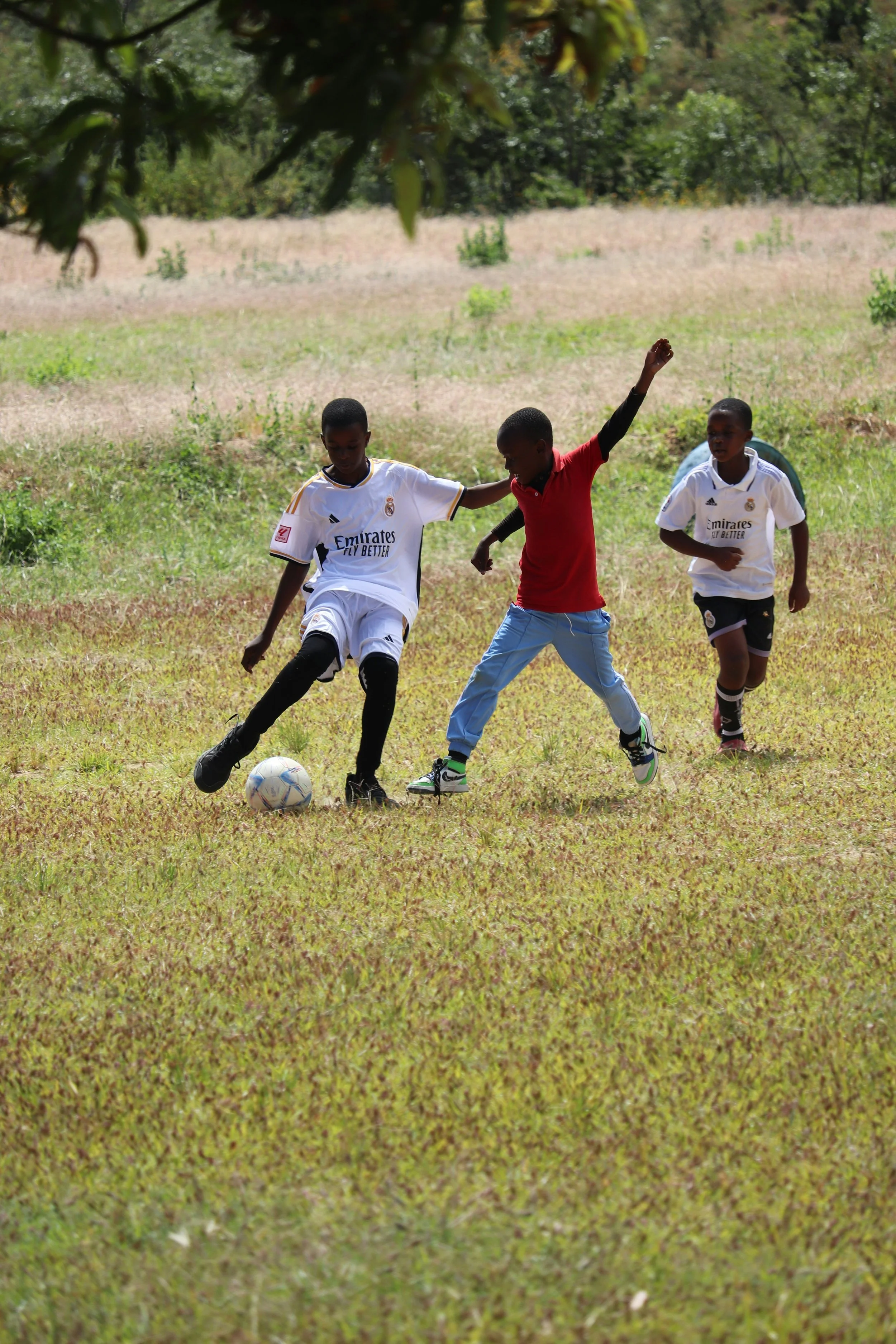
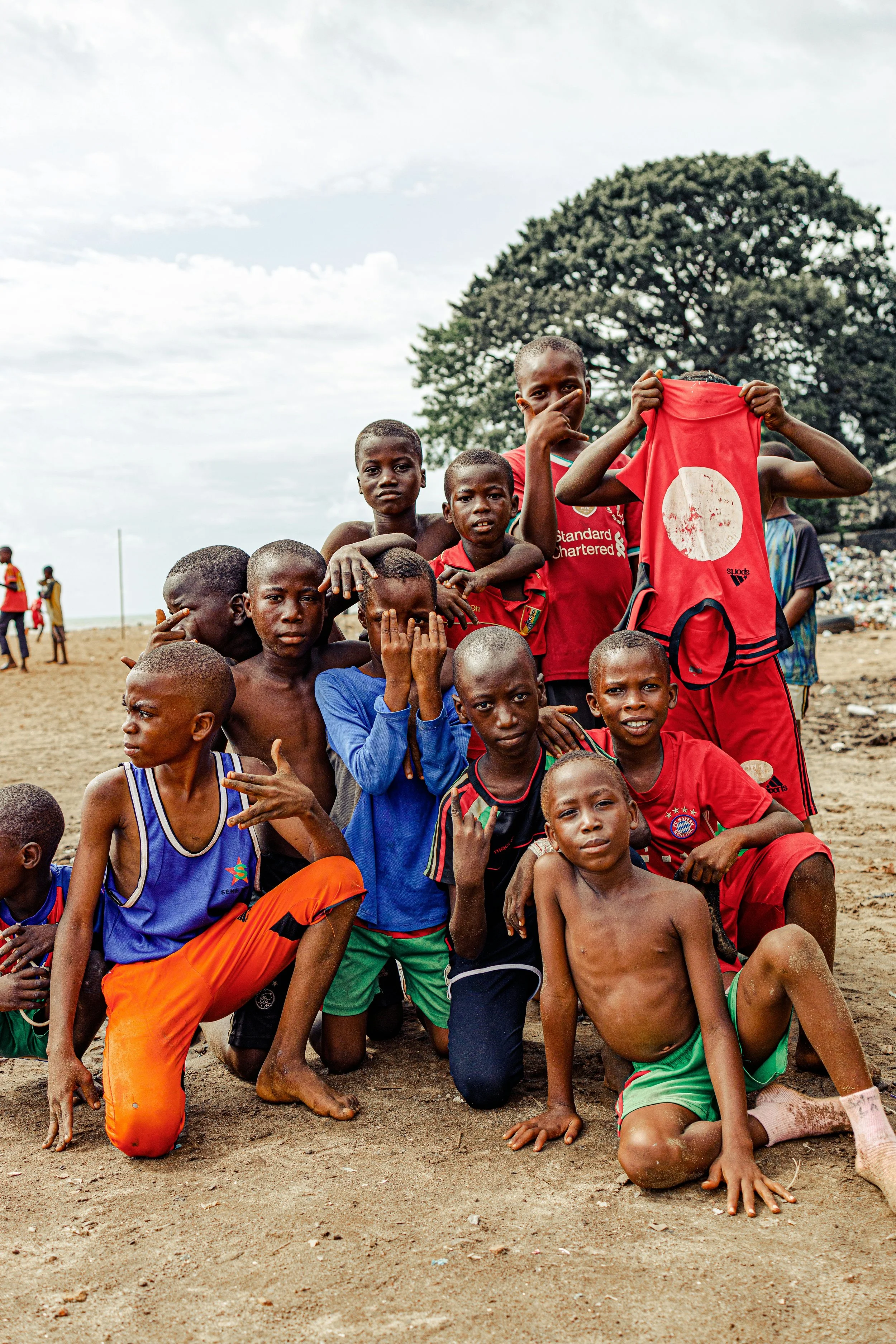
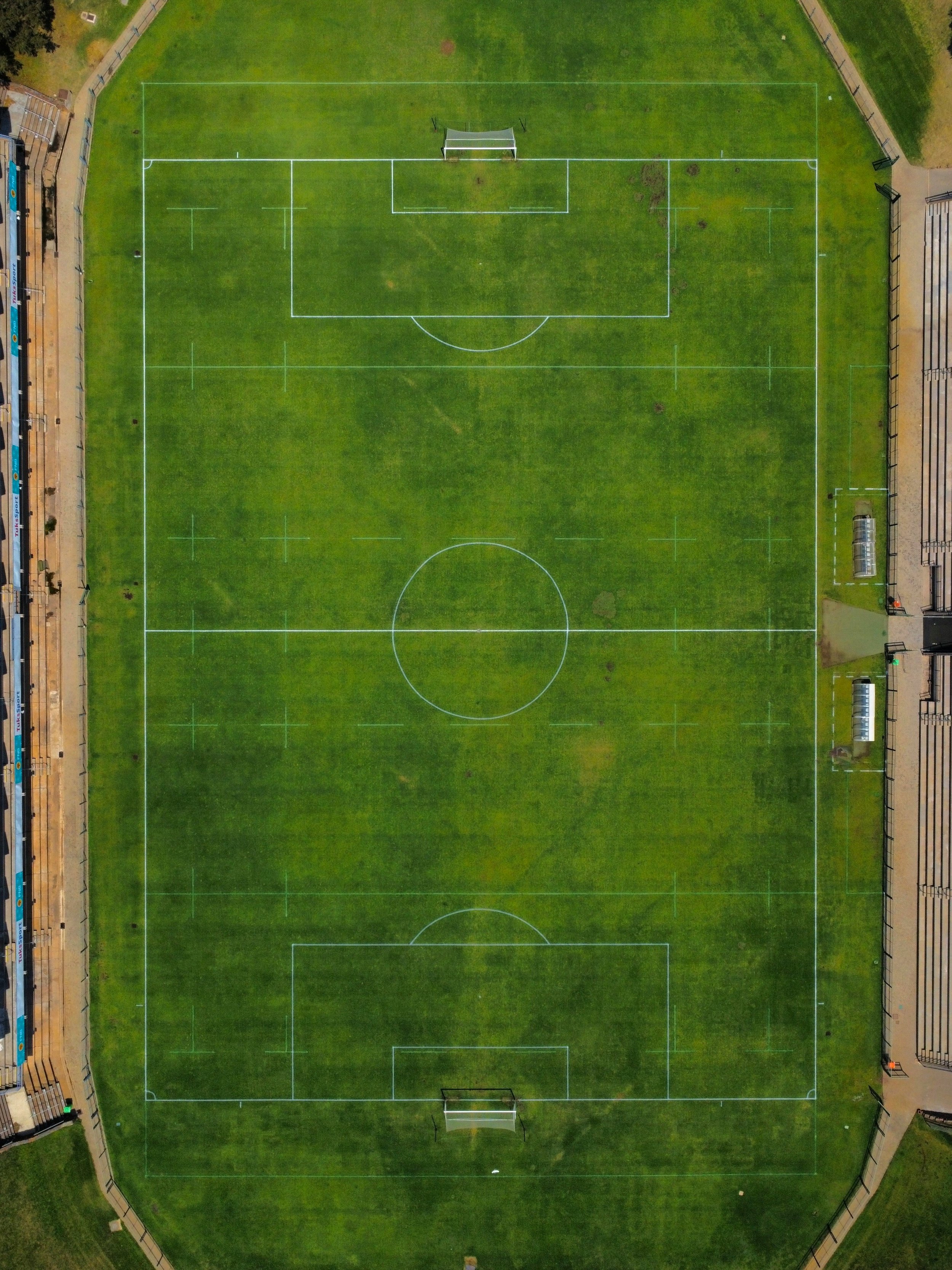
If AFCON did anything this year, it reminded us that sport isn’t just sport. It’s identity, pride, belonging, power, and sometimes, a mirror. And as an observation of a moment where a country appeared — through controversy, perception and response — to distance itself from the continent it coexists within, it made people uncomfortable and maybe it’s because it touched something real.
Love to my Moroccan family. And love to my family across Africa and around the world.