
Creativity as Essential Infrastructure
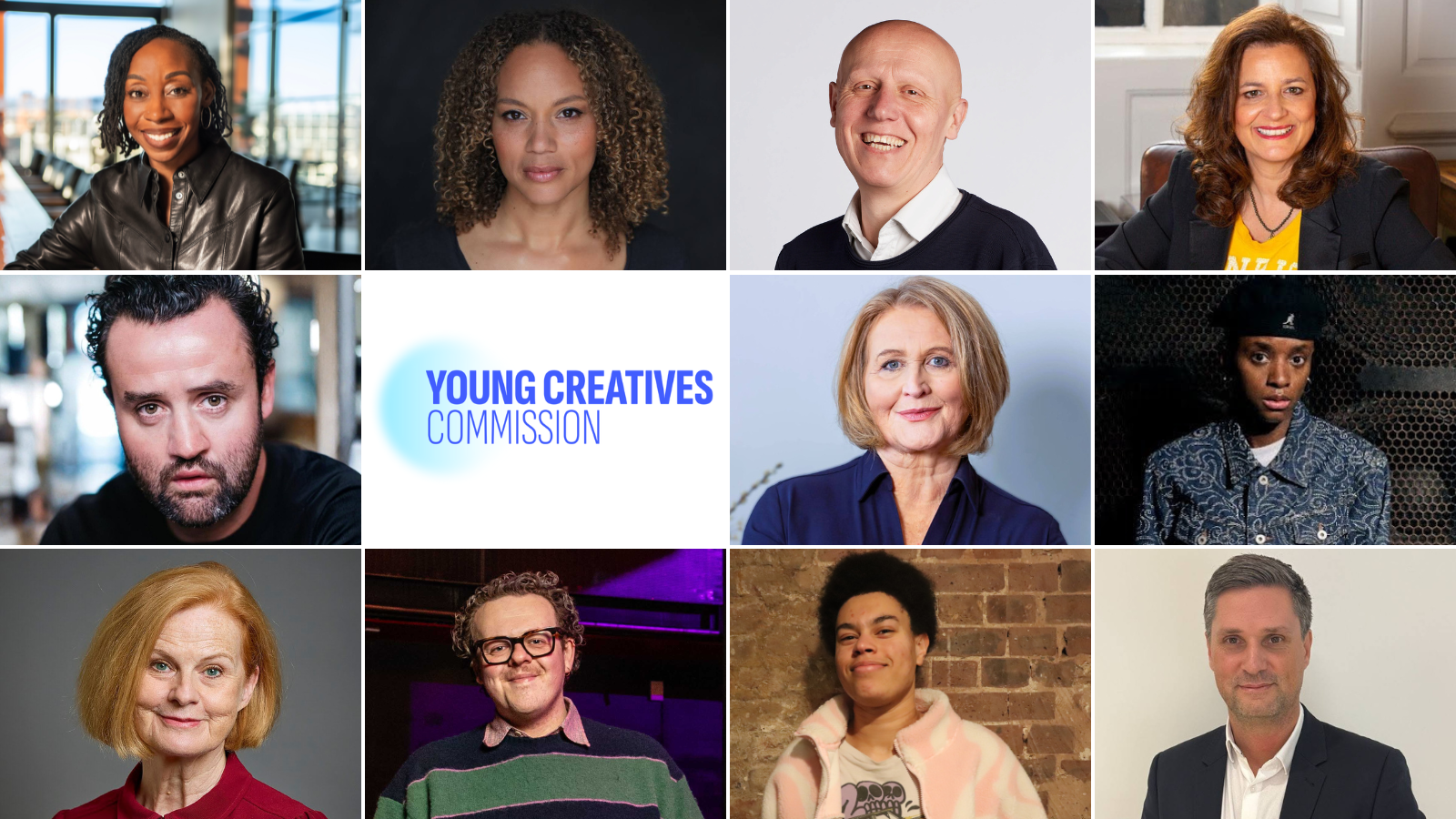
Image courtesy The Roundhouse
The Roundhouse, in partnership with the Centre for Young Lives, launched the Young Creatives Commission — a year-long national inquiry examining how to widen access to the arts and creative industries for young people aged 10–25.
At first glance, it’s another cultural review. But look closer and something more structural is emerging. The Commission is asking a disruptive question: What if creativity were treated like sport?
In the UK, sport has infrastructure, academies, clear progression routes, scouting systems, sustained grassroots funding and visible ladder from local pitch to professional stadium. The arts, by contrast, have often relied on fragmented pathways and shrinking school provision.
With Commissioners including Angela Griffin, SHERELLE, Daniel Mays, Jack Rooke — alongside leaders from Universal Music Group UK, Creative UK and the Premier League Foundation — this isn’t simply an artistic conversation. It’s an economic and structural one.


Image courtesy The Roundhouse
The Commission’s focus is clear: remove barriers to participation, rebuild local creative infrastructure, strengthen arts in education, and create practical pathways into creative careers — particularly for young people from working-class and underrepresented backgrounds. That emphasis matters.
Access to creativity in Britain is increasingly shaped by geography, affordability and cultural capital. As school arts provision declines and grassroots organisations face sustained funding pressure, the question is no longer whether creativity is important, it’s who gets to access it?
The Roundhouse model offers a glimpse of possibility. For nearly two decades, it has worked with over 100,000 young people, offering studio access from as little as £1 an hour. Affordable space. Professional equipment. Clear progression. It’s proof that infrastructure changes outcomes. But can such a model develop further and scale nationally?
If sport is understood as youth development infrastructure — building discipline, identity and employability — creativity should be framed the same way. The Young Creatives Commission arrives at a pivotal moment, as government reforms reshape curriculum and youth strategy; its final report, due in December 2026, could influence how policymakers, funders and industry leaders think about creative opportunities.
The real question is not whether Britain produces talent. It does. The question is whether we are building a system that allows that talent — wherever it lives — to thrive.
And perhaps, finally, whether creativity will be treated not as enrichment, but as essential.